“original leaf” search results (600)
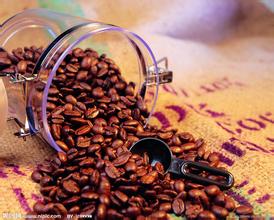
Fine coffee Colombian coffee species morphology
The main varieties of Colombian coffee are small grains of coffee. Plants are small trees or large shrubs, 5-8 m tall, usually much branched at base; old branches gray-white, nodes dilated, young branches glabrous, compressed. Leaves thinly leathery, ovate-lanceolate or lanceolate, 6-14 cm long and 3.5-5 cm wide, tip long acuminate, acuminate part 10-15 mm long, base cuneate or slightly obtuse, rarely rounded, entire or
2016-05-26 Boutique Coffee Columbia species Morphology varieties Major
Colombia coffee-producing country Lazmus farm with the most favorable natural conditions for coffee growth
Colombia, located in the northwest of South America, is a beautiful country with a long history. Indians have lived on this land since ancient times. It became a Spanish colony in 1531 AD and gained independence in 1819. It was renamed in 1886 to commemorate Columbus, the discoverer of the American continent. Colombia, beautiful mountains, beautiful scenery, pleasant climate, four seasons
2016-06-23 with Coffee Growing Favorable conditions Natural environment Colombia Country of origin Zimmer
Low yield coffee cultivation conditions Cultivation process and method Introduction
West Africa is the origin of Liberian coffee. It has strong adaptability to various environments such as high temperature or low temperature, humidity or dryness. It is not resistant to leaf rust and its flavor is worse than Arabica. Therefore, it is only traded domestically in some West African countries (Libya, Cote d'Ivoire, etc.) or planted for research. Coffee circulating in the world market
2016-06-30 estate coffee cultivation condition process method presentation west africa libby
Characteristics of Colombian Coffee Flavor Manor
The main varieties of Colombian coffee are small grains of coffee. Plants are small trees or large shrubs, 5-8 m tall, usually much branched at base; old branches gray-white, nodes dilated, young branches glabrous, compressed. Leaves thinly leathery, ovate-lanceolate or lanceolate, 6-14 cm long and 3.5-5 cm wide, tip long acuminate, acuminate part 10-15 mm long, base cuneate or slightly obtuse, rarely rounded, entire or
2016-07-25 Columbia Coffee Flavor Manor producing area characteristics introduction Colombia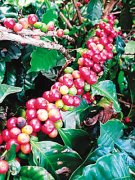
Classification of coffee trees
In recent years, coffee producing countries no longer blindly pursue high output while neglecting quality. Many countries have begun to introduce a new coffee evaluation system in order to arouse the enthusiasm of producers and promote the production of fine coffee. For example, Brazil began to implement the Cup of excellence coffee rating system in 1999 in order to better subdivide boutique coffee. And boutique coffee has become
2016-05-23 Coffee classification in recent years coffee producing countries no longer blindly pursuit high output
Colombia coffee with strong taste
The District of Colombia [2] originally came from Maryland and Virginia. When the District of Colombia was founded, the north bank of the Potomac River included Georgetown,D.C., Washington City, DC Washington County, DC. In 1878, the three places merged to form Washington, D.C., Colombia and Washington City.
2016-08-30 Taste Strong Colombia Coffee Flavor Manor Fine Coffee Bean Introduction
Yunnan Arabica coffee bean types of iron pica
One. Iron pickup is also known as the old variety of small coffee, its yield is small, cultivation difficulty is large, so the price is much higher than ordinary small coffee. Tibica coffee is native to Ethiopia and southeastern Sudan and is the most widely cultivated coffee variety in the Western Hemisphere. The plants are more robust, but less tolerant to light, and yield more in Hawaii. The top leaf of Tibika is red copper color, which is called red top coffee. Emperor
2016-06-07 Yunnan Arabica Coffee Bean Species Tibi
Columbia Coffee Lazimus Manor introduces Starbucks Colombian Coffee
The main varieties of Colombian coffee are small grains of coffee. Plants are small trees or large shrubs, 5-8 m tall, usually much branched at base; old branches gray-white, nodes dilated, young branches glabrous, compressed. Leaves thinly leathery, ovate-lanceolate or lanceolate, 6-14 cm long and 3.5-5 cm wide, tip long acuminate, acuminate part 10-15 mm long, base cuneate or slightly obtuse, rarely rounded, entire or
2016-07-16 Columbia Coffee Raz Moss Manor introduction Buck Colombia
Coffee botany
There are more than 60 kinds of coffee, but there are roughly two varieties of coffee grown commercially on a large scale, one is Arabica, accounting for about 70 percent of the world's coffee planting area, and the other is Robasta, accounting for about 30 percent of the world's coffee planting area. According to our national standards, the classification of coffee is mainly divided into the following five varieties. 1. Small seed coffee, that is, Arabian species. Originated in Ethiopia
2014-08-05 Coffee knowledge Coffee Botany Coffee Encyclopedia
History and culture of coffee in El Salvador
A brief History of Coffee production in 1742, coffee was introduced to El Salvador from the Caribbean (1740). In the mid-19th century, El Salvador's original export pillar Indigo (one of the dyes) received a gradual decline in the development of synthetic dyes in Europe, and coffee gradually became the main export product under the guidance of the government. In 1856, the first 693 bags of coffee beans were shipped to Europe. all long
2016-06-13 El Salvador coffee history and culture
Brief History and present situation of Coffee production
A brief History of Coffee production in 1742, coffee was introduced to El Salvador from the Caribbean (1740). In the mid-19th century, El Salvador's original export pillar indigo (Indigo, a kind of dye) industry received a gradual decline in the development of synthetic dyes in Europe, and coffee gradually became the main export product under the leadership of the government. In 1856, the first 693 bags of coffee beans were shipped to Europe.
2016-06-12 Coffee production brief History status quo 1742 Caribbean
Brief introduction of coffee production in El Salvador
A brief History of Coffee production in 1742, coffee was introduced to El Salvador from the Caribbean (1740). In the mid-19th century, El Salvador's original export pillar Indigo (one of the dyes) received a gradual decline in the development of synthetic dyes in Europe, and coffee gradually became the main export product under the guidance of the government. In 1856, the first 693 bags of coffee beans were shipped to Europe. all long
2016-06-04 El Salvador coffee production introduction current situation
Columbia Coffee Manor introduces Lazmus Manor Colombian small Coffee
The main varieties of Colombian coffee are small grains of coffee. Plants are small trees or large shrubs, 5-8 m tall, usually much branched at base; old branches gray-white, nodes dilated, young branches glabrous, compressed. Leaves thinly leathery, ovate-lanceolate or lanceolate, 6-14 cm long and 3.5-5 cm wide, tip long acuminate, acuminate part 10-15 mm long, base cuneate or slightly obtuse, rarely rounded, entire or
2016-08-03 Colombia Coffee Manor producing area introduction Raz Moss Xiao Grain
Look at the big world of coffee beans. Highland coffee is superior.
The Buddha said, one flower, one world, one leaf, one Bodhi. Replaced with a coffee bean, still the same. Looking at this pure black liquid, it took a year of growth, harvesting, production, baking, grinding, extraction, and finally condensed into that mellow taste. It is like all the things that have been polished by time and hands, such as red wine, such as jade, in the small
2015-09-10 Look coffee beans the big world highlands coffee that is superior.
A brief history of coffee production in El Salvador
A brief History of Coffee production in 1742, coffee was introduced to El Salvador from the Caribbean (1740). In the mid-19th century, El Salvador's original export pillar Indigo (one of the dyes) received a gradual decline in the development of synthetic dyes in Europe, and coffee gradually became the main export product under the guidance of the government. In 1856, the first 693 bags of coffee beans were shipped to Europe. all long
2016-06-15 El Salvador coffee production brief history
How to choose coffee beans what are the characteristics of coffee beans?
Plant classification Coffee tree belongs to the evergreen tree of Rubiaceae. Rubiaceae plants have been dominated by plants with special effects since ancient times, such as quinine tree, which is regarded as a specific drug for malaria, and Dugan, which is used to treat Amiba dysentery. Coffee is defined as the most unique alkaloid drinking flora. The fruit of coffee is made up of outer skin, pulp, endocarp, silver skin, and the species wrapped in the innermost layers mentioned above.
2016-05-25 How to select coffee beans what introduction characteristics plants classification coffee tree genus
Introduction of full-grained and nutritious Colombian coffee beans
The main varieties of Colombian coffee are small grains of coffee. Plants are small trees or large shrubs, 5-8 m tall, usually much branched at base; old branches gray-white, nodes dilated, young branches glabrous, compressed. Leaves thinly leathery, ovate-lanceolate or lanceolate, 6-14 cm long and 3.5-5 cm wide, tip long acuminate, acuminate part 10-15 mm long, base cuneate or slightly obtuse, rarely rounded, entire or
2016-06-21 Granules plump Nutrition Rich Columbia Coffee beans introduction Colombia Coffee
A brief History of Coffee production in El Salvador
A brief History of Coffee production in 1742, coffee was introduced to El Salvador from the Caribbean (1740). In the mid-19th century, El Salvador's original export pillar Indigo (one of the dyes) received a gradual decline in the development of synthetic dyes in Europe, and coffee gradually became the main export product under the guidance of the government. In 1856, the first 693 bags of coffee beans were shipped to Europe. all long
2016-06-17 Tradition cultivation way El Salvador coffee production brief history
Introduction to the flavor and taste of Colombian boutique coffee varieties
The main varieties of Colombian coffee are small grains of coffee. Plants are small trees or large shrubs, 5-8 m tall, usually much branched at base; old branches gray-white, nodes dilated, young branches glabrous, compressed. Leaves thinly leathery, ovate-lanceolate or lanceolate, 6-14 cm long and 3.5-5 cm wide, tip long acuminate, acuminate part 10-15 mm long, base cuneate or slightly obtuse, rarely rounded, entire or
2016-07-19 Colombia boutique coffee variety flavor taste introduction characteristics
Colombia coffee history trace species morphology
The history of coffee cultivation in Colombia can be traced back to the Spanish colonial era in the 16th century. There are also many sayings about the history of coffee in Colombia: First, it is said that it came from the Caribbean island of Haiti via Salvador in Central America. Second, coffee beans were first introduced into Colombia in 1808 by a priest from the French Antilles via Venezuela. one of
2016-05-29 Colombia Coffee History Origin Species Form Cultivation